It Is Simpler Than You Think
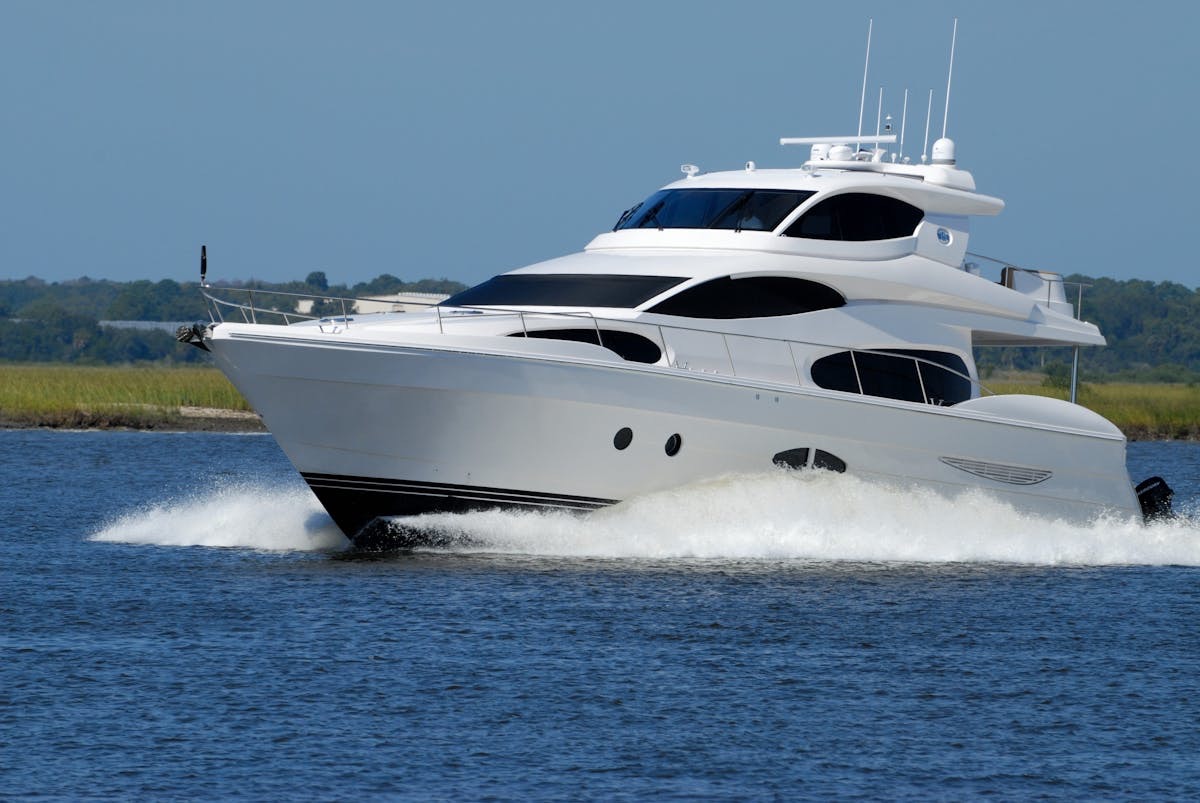
A first time yacht charter sounds intimidating. Sailing licences, provisioning, APA, check-in procedures. It can feel like there is a lot to get wrong.
The truth is, people do this every week across the Mediterranean with no prior experience. If you book a crewed charter, you do not even need to know how to sail. And even bareboat chartering has a well-established process that charter companies have been refining for decades.
Here is everything you need to know, from booking to stepping off the boat at the end.
Bareboat or Crewed
This is the first decision to make.
Bareboat means you rent the yacht and sail it yourself. You need a valid sailing licence (ICC, RYA Day Skipper or above, or national equivalent) and enough experience to handle the boat safely. If you hold a licence but have not sailed recently, be honest with yourself about your skill level. A 42-foot catamaran in a crowded marina with crosswind is not the place to refresh your skills.
Crewed means a professional captain sails the boat. Most crewed charters also include a chef. You show up, and everything is handled. This is what we recommend for first-timers. You get to learn the ropes without the stress, and a good captain will teach you more in a week than a course ever could.
The price difference is real (crewed charters cost roughly double), but the experience difference is even bigger. For a detailed cost comparison, see our pricing guide.
What You Need Before Booking
Documents: For bareboat, you need your sailing licence and a valid passport or ID. Some charter companies also ask for a sailing CV listing your recent experience. For crewed charters, you just need a passport.
Group size: This determines the boat. Two to four people suit a monohull. Six to eight suit a catamaran. More than eight, look at a gulet or larger crewed yacht. Decide on numbers before you start comparing boats.
Budget: Know your total budget, not just the charter fee. Add 30 to 50 percent on top for running costs (fuel, marina fees, provisioning, tips, and APA on crewed charters). A €5,000 bareboat charter will cost roughly €6,500 to €7,000 all in. A €15,000 crewed charter will cost €20,000 to €23,000 all in.
Dates: Charter weeks in the Mediterranean typically run Saturday to Saturday. Some companies offer flexible start days in shoulder season. Decide on your dates early, as the best boats go first.
Destination: If this is your first charter, the Ionian islands in Greece or the Dalmatian coast in Croatia are the safest choices. Calm waters, short distances, good infrastructure. See our Mediterranean charter guide for a full comparison.
How Far Ahead to Book
Peak season (July and August): Six to nine months. The best catamarans for peak season are often gone by January.
Shoulder season (May, June, September): Three to five months. More availability, but popular boats still go early.
Last-minute: Deals exist within two to four weeks of departure, but your choice is limited to whatever is left. Fine if you are flexible, risky if you have a specific boat or destination in mind.
What to Pack
Less than you think. Yacht cabins are small, and storage is limited. Here are the essentials:
Soft bags only. No hard suitcases. There is nowhere to store them, and they do not fit through the cabin hatch. A duffel bag or backpack is ideal.
Reef shoes or sailing sandals. Deck shoes with non-marking soles. You will be barefoot most of the time, but reef shoes protect your feet when getting into the dinghy or walking on rocky shores.
Sun protection. High SPF sunscreen in lotion form, not spray (spray makes the deck slippery and is worse for the marine environment). A hat, polarised sunglasses, and a light long-sleeve shirt. The Mediterranean sun reflects off the water and is stronger than it feels.
Light layers for evening. A fleece or light jacket. Evenings at anchor can be cool, especially in May and June.
Swimwear. More than one set. You will swim multiple times a day.
Waterproof phone case. Essential. Salt water and phones do not mix.
Motion sickness remedies. Even if you do not normally get seasick. Stugeron (cinnarizine) is the standard recommendation among sailors. Take it the night before your first sail. For a full comparison of what works (and what does not), see our seasickness guide.
Do not bring: Too many clothes (you will re-wear things more than you expect), hard suitcases (they scratch teak surfaces and do not fit through hatches), high heels, formal wear, anything white that you care about (boats are greasy), or full-size towels (the boat provides them). Download music, films, and offline maps before you leave, as connectivity can be patchy between islands.
What Happens on Day One
Charter check-in is usually Saturday afternoon, between 3pm and 6pm, at the charter base. Here is what happens:
Paperwork. You sign the charter agreement, pay any outstanding balance, and hand over a damage deposit (typically €1,500 to €3,000 by credit card, returned at the end if no damage). If you are unsure what to look for in a charter contract, our guide on how to avoid yacht charter scams covers red flags and what a legitimate agreement should include.
Boat briefing. A base technician walks you through the boat. Engine, sails, electronics, water systems, gas stove, dinghy, life jackets, and emergency equipment. This takes 30 to 60 minutes. Ask questions. Do not pretend you understood the windlass if you did not.
Provisioning. If you pre-ordered provisions (most charter companies offer this), they will be on the boat. If not, you need to do a supermarket run. The base staff will point you to the nearest one. Buy water, food for a few days, and whatever drinks you want. Island supermarkets are smaller and more expensive.
First night. Most people stay at the charter base marina on the first night. Get comfortable with the boat, have dinner in town, and set off fresh the next morning.
Common First-Timer Mistakes
Trying to sail too far each day. Plan for 15 to 25 nautical miles per day, which is three to five hours of sailing. That leaves time for swimming, lunch stops, and exploring. People who try to cover 40 miles a day spend all their time on the boat and none of it enjoying the destination.
Underestimating marina costs. Marina berths in popular spots (Hvar, Dubrovnik, Mykonos) cost €50 to €150 per night. Budget for three to four marina nights and anchor out the rest. Anchoring is free and often more scenic.
Not booking marinas in advance. In July and August, popular marinas fill up by early afternoon. If you want a berth in Hvar Town on a Saturday night in August, book days ahead.
Overpacking. See above. You do not need seven outfits for a week on a boat.
Forgetting the deposit. The damage deposit requires a credit card with sufficient limit. Some charter companies accept debit cards, but many do not. Check in advance.
The Things Nobody Tells You
Water is limited. A yacht holds 200 to 400 litres of fresh water. That sounds like a lot until eight people try to shower every day. Keep showers short (2 minutes), or better yet, swim and rinse off with a quick freshwater splash. Most marinas have showers on shore.
Sleeping on a boat is different. Cabins are compact. There is no air conditioning on most bareboat charters (crewed yachts usually have it). In summer, you sleep with the hatches open, which lets in a breeze and occasionally a mosquito. Earplugs are useful. The boat creaks. Halyards tap against the mast. You get used to it.
Phone signal is patchy. Once you leave the marina, phone coverage can be inconsistent, especially in Turkey and the smaller Greek islands. Download offline maps before departure. Google Maps works offline, as does Navionics (the standard sailing chart app).
Tipping etiquette. On crewed charters, tip 10 to 15 percent of the base charter fee in the Mediterranean, 15 to 20 percent in the Caribbean. Cash, given to the captain at the end. The captain distributes it to the crew.
You will want to do it again. This is the one nobody warns you about. Almost everyone who charters a yacht for the first time books another one within a year.
We Can Handle All of This
Planning a first yacht charter takes time, and there are more decisions than most people expect. We help first-timers every week. Tell us your dates, group size, and budget, and we will find the right boat, the right destination, and walk you through everything else.
Message us on WhatsApp or Telegram to get started.