The Short Answer
Most people who charter a yacht for a week spend between €3,000 and €30,000. That is a wide range, so here is a quick breakdown.
A bareboat charter (you sail it yourself) costs roughly €2,000 to €10,000 per week depending on the boat and the destination. A crewed charter (captain, chef, the works) starts around €8,000 per week and runs to €50,000 or more for larger, newer vessels with a full crew.
But these are base charter fees. The number on the listing is not the number you will pay. Read on for what the real total looks like.
Bareboat Charter Costs
Bareboat means you rent the yacht and sail it yourself. You will need a valid skipper licence, an ICC (International Certificate of Competence) or equivalent, and enough experience to handle the boat safely.
Here is what bareboat charters typically cost per week in 2026:
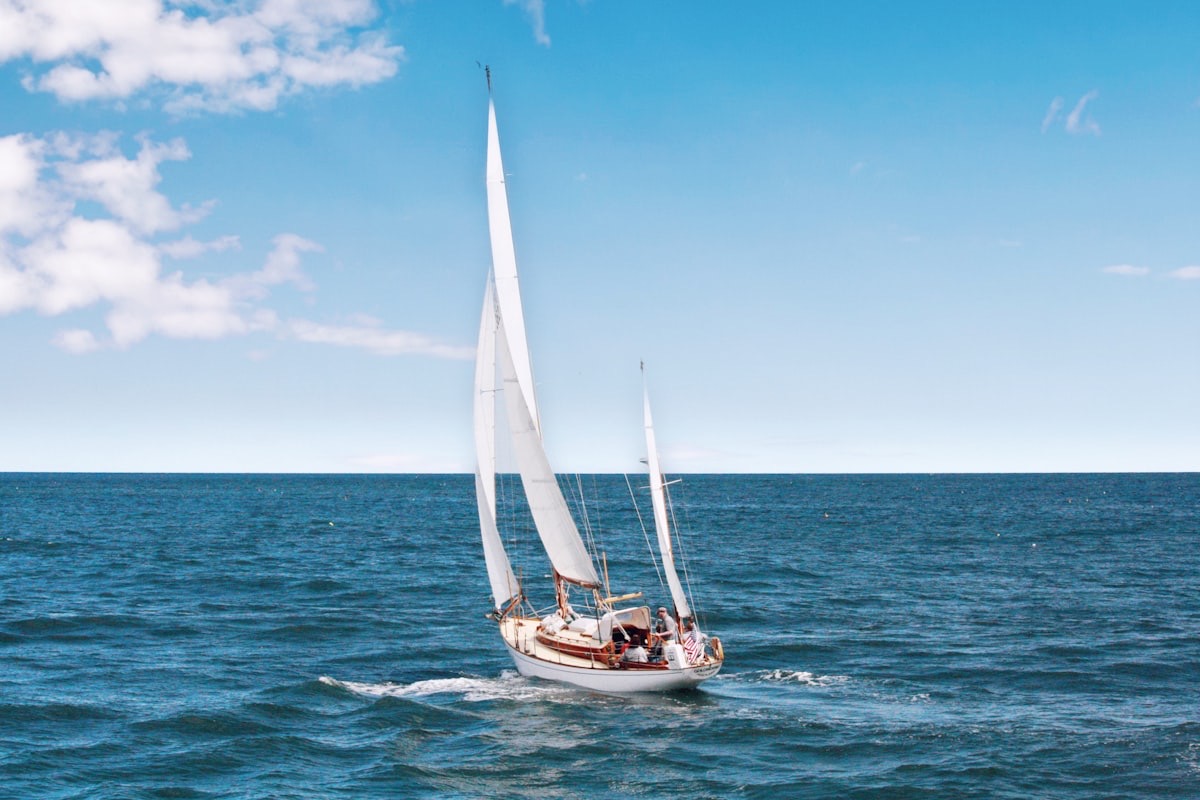
Monohull sailboats (35-45 feet): €2,000 to €5,000. A solid, well-maintained 40-foot monohull in Greece or Croatia will sit around €2,500 to €3,500 in shoulder season, €4,000 to €5,000 in July and August.
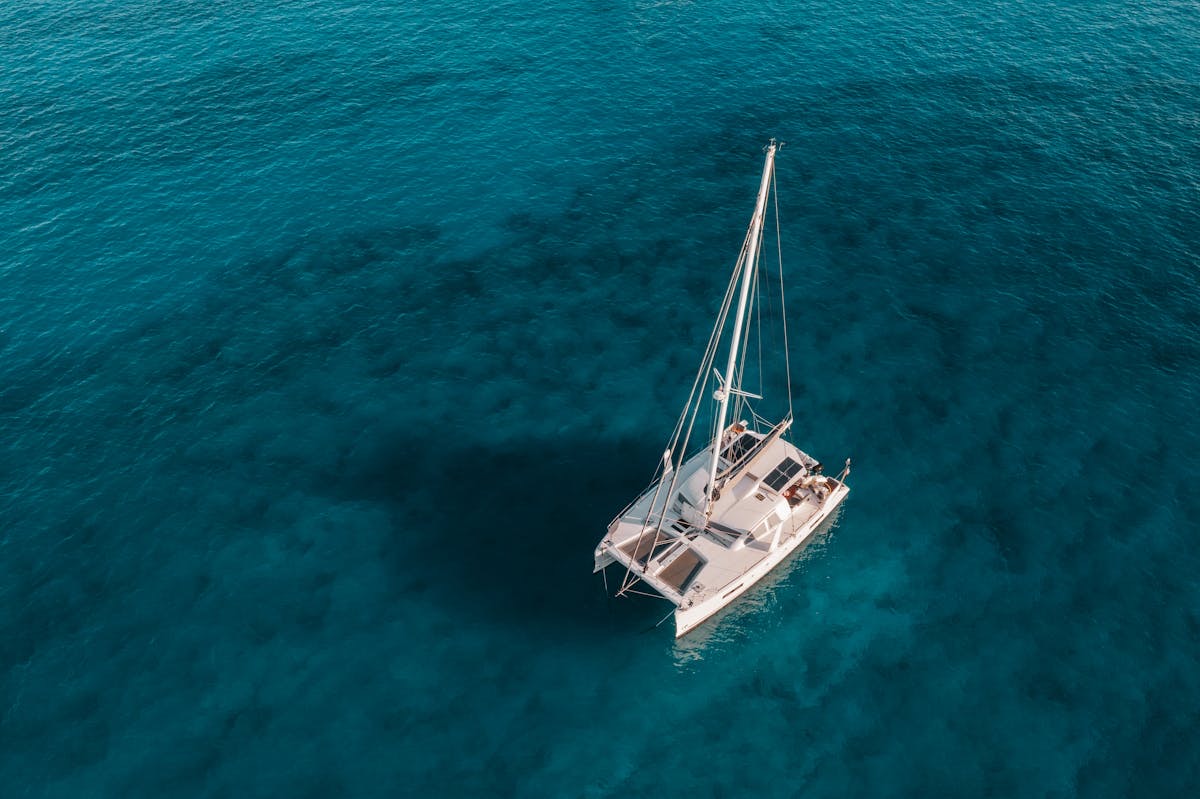
Catamarans (38-50 feet): €3,500 to €10,000. Catamarans are more expensive than monohulls across the board. A popular 42-foot catamaran in Croatia during peak season can easily push past €7,000 per week. They are also the first to get booked, so prices climb if you wait.
What is included: The boat, basic safety equipment, dinghy, and usually bed linen and towels. That is about it.
What is not included: Fuel (€150 to €500 depending on how much you motor), marina fees (€30 to €80 per night in the Med), provisioning, end-of-charter cleaning (€150 to €300), and transit log fees in some countries.
A good rule of thumb for bareboat: add 25 to 35 percent on top of the base charter fee for your real total cost.
Crewed Charter Costs
A crewed charter means you get a captain who knows the waters and often a chef who handles all meals. Some larger boats add a deckhand or stewardess. You show up, and someone else does the work.
Small crewed yachts (40-55 feet, captain only or captain plus chef): €8,000 to €15,000 per week. This is where most first-time charterers land. You get a good boat, a captain who knows the hidden bays, and a much more relaxed experience than bareboat.
Mid-range crewed (55-75 feet, full crew of 3-4): €15,000 to €35,000 per week. Better boats, more space, a dedicated chef, and a noticeably higher level of service. The sweet spot for groups of 6 to 10 who want comfort without excess.
Large crewed yachts (75-100 feet, crew of 5+): €35,000 to €50,000 and above per week. Premium vessels, often recently refitted, with a full professional crew. This is where the experience starts to feel genuinely different. But the jump in price is significant.
Most crewed charters in the Caribbean are all-inclusive, covering food, drinks, and fuel. In the Mediterranean, they almost never are. Instead, you pay an APA on top.
The Costs Nobody Tells You About
The base charter fee typically accounts for 60 to 70 percent of your total spend. Here is where the rest goes.
APA (Advance Provisioning Allowance). This is the big one. On crewed charters in the Mediterranean, you pay an additional 20 to 35 percent of the base fee upfront as a running costs budget. The captain uses it for fuel, food, drinks, marina fees, and any extras during the trip. Sailing yachts tend to sit at 20 to 25 percent. Motor yachts burn more fuel, so expect 30 to 35 percent. At the end of the charter, you get an itemised accounting. If they spent less, you get the difference back.
On a €15,000 crewed charter, a 25 percent APA means an extra €3,750. That covers a week of provisioning, a few marina stops, and fuel for moderate cruising.
VAT and local taxes. Greece charges up to 12 percent on charters. Croatia charges a similar rate. France is 20 percent. Italy can be up to 22 percent. This is sometimes included in the listed price and sometimes not. Always ask.
Crew gratuity. In the Mediterranean, 10 to 15 percent of the base charter fee is standard. In the Caribbean, 15 to 20 percent. On a €15,000 charter, that is €1,500 to €2,250.
Transfers. Getting from the airport to the marina is not always straightforward. In Split or Athens, it is a short taxi ride. In Dubrovnik or the BVI, it can involve a taxi plus a ferry or a water taxi, running €50 to €200 per group.
End-of-charter cleaning. On bareboat rentals, this is almost always an extra charge, typically €150 to €300.
Here is a real example. A crewed catamaran in Croatia, base fee €18,000 for a week. Add APA at 25 percent (€4,500), VAT at 13 percent on the base (€2,340), crew tip at 12 percent (€2,160), and transfers (€100). Total: roughly €27,100. That is 50 percent more than the listed price.
What It Costs Per Person
This is the number that actually matters for most groups, and it is often more affordable than people expect.
Bareboat, group of 4-6: A €4,000 catamaran charter in Greece plus 30 percent for extras comes to roughly €5,200 total. Split between six people, that is under €900 per person for a week. Accommodation, transport, and a boat included.
Crewed, group of 6-8: A €15,000 crewed charter with all extras (APA, tax, tips) might total €22,000. Split eight ways, that is €2,750 per person for a week with a private chef, a captain, and no schedule but your own.
Crewed, group of 4: Same boat, same total, but split four ways. That is roughly €5,500 per person. Still competitive with a high-end villa holiday when you factor in meals and the fact that you wake up in a different place every morning.
The per-person cost drops significantly with larger groups. If you can fill a 6 to 10 person catamaran, a crewed charter starts to look very reasonable.
How Destination Changes the Price

Not all sailing grounds cost the same. Here is how the major regions compare, using a 45-foot catamaran bareboat charter as a baseline:
Turkey is the best value in the Mediterranean. The turquoise coast from Bodrum to Fethiye offers stunning sailing at 30 to 40 percent less than Croatia or Greece. Marina fees are lower, food is cheaper, and a traditional Turkish gulet charter is an experience you will not find anywhere else.
Greece offers excellent value, especially in the Ionian islands. The Cyclades are pricier and windier. Expect to pay €3,000 to €6,000 per week for a bareboat catamaran. Provisioning is reasonable, and marina fees outside the major tourist ports are modest.
Croatia is mid-range and the most popular European destination. Split and Dubrovnik are the main bases. Bareboat cats run €4,000 to €8,000 in season. Marina fees are higher than Greece, especially on the main islands.
Italy (the Amalfi Coast, Sardinia, and Sicily) is noticeably more expensive. Marina fees are steep, and the bureaucracy of Italian ports makes crewed charters more practical than bareboat. Budget 20 to 30 percent more than Croatia.
The French Riviera and the Balearics are the premium end. Cannes, Saint-Tropez, Ibiza. Marina berths alone can cost several hundred euros per night. The infrastructure is excellent, but you will pay for it.
The Caribbean is priced similarly to the mid-range Mediterranean, but most crewed charters are all-inclusive. Food, drinks, and fuel are covered in the base price. The BVI, Grenadines, and the Bahamas are the main charter grounds. Flights from Europe add to the total cost.
For a more detailed destination-by-destination breakdown, see our guide to chartering in the Mediterranean. For an explanation of the biggest hidden cost, see our APA guide.
When You Book Changes What You Pay
Timing makes a real difference, both when you sail and when you book.
Peak season in the Med is July and August. Prices are 30 to 50 percent higher than shoulder season, and the best boats are gone by February. In the Caribbean, peak is December through April.
Shoulder season (May, June, September, and early October in the Med) offers the best value. The weather is still excellent (September water is often warmer than June), there are fewer boats, and you have far more choice. Prices drop 20 to 40 percent compared to peak.
Book early. Six to nine months ahead for peak season. Three to four months for shoulder season. The best boats at the best prices go first. That is not marketing, it is how the market works.
Last-minute deals do exist, but they are unpredictable. Charter companies would rather discount a boat than have it sit empty, so you can occasionally find 15 to 25 percent off within a few weeks of departure. The trade-off is limited choice. You take what is left.
How to Get the Best Price
A few things that genuinely help:
Be flexible on dates. Shifting your charter by one or two weeks, from early July to late June or from mid-August to early September, can save you 20 to 30 percent on the same boat.
Consider a one-way charter. Some routes (like Split to Dubrovnik) are popular in one direction. Boats need to get back. Charter companies sometimes offer discounts on the return leg.
Ask about refit dates, not just build years. A 2016 yacht that was refitted in 2025 will likely be in better condition than a 2021 yacht with no refit. And it may cost less because the build year looks older on listings.
Compare across charter companies. The same yacht can be listed with different brokers at different prices. This is one of the most fragmented industries in travel, and pricing is far from standardised.
Book crewed for larger groups. Once you have six or more people, the per-person cost of a crewed charter gets surprisingly close to bareboat. And the experience is in a different league.
Pricing a crewed catamaran? Our per-person cost guide for Greece works through VAT, APA and tips for six and eight guests. For a company event, see corporate yacht charter.
Skip the Research
Comparing yacht charter options across dozens of brokers is genuinely time-consuming. Prices vary, availability changes daily, and the hidden costs make it hard to compare like for like. We have seen people spend 15 to 20 hours on research before making a booking.
That is what Sulu is for. Tell us your dates, group size, destination, and budget. We search the market, compare the real total costs, and send you your best options. Usually within 24 hours.
Message us on WhatsApp or Telegram to get started.