Why Croatia
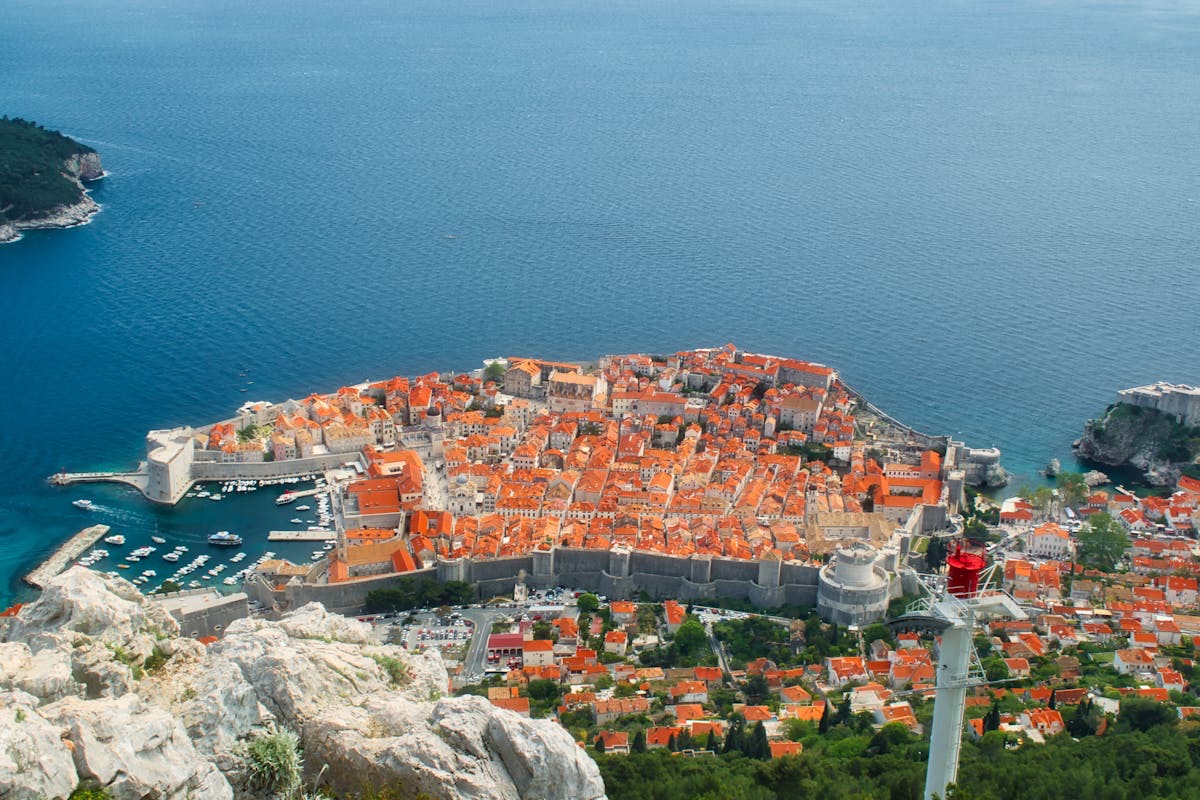
Croatia is the most popular yacht charter destination in Europe, and it has been for over a decade. There are 1,244 islands (67 inhabited), the water is clean enough to see the seabed in 15 metres, and the infrastructure is excellent. Marinas are modern, the coast is well-charted, and the distances between islands are short enough that you never spend a full day sailing.
If this is your first time sailing the Dalmatian coast, this guide covers everything you need to plan a charter.
Where to Start
Croatia has four main charter bases. Each one opens up a different section of the coast.
Split is by far the busiest. The largest charter fleet in Croatia operates out of Split, Kaštela, and Trogir (all within 20 minutes of each other). From here you can reach Brač, Hvar, Vis, and Šolta within a few hours of sailing. Split airport has direct flights from most European cities. If you are unsure where to base, choose Split.
Dubrovnik is the southern option. The Elafiti islands (Lopud, Šipan, Koločep) are 30 minutes away, and Mljet National Park is a half-day sail south. The fleet is smaller than Split, and one-way charters to or from Split are popular but cost extra (typically €300 to €500 for the repositioning fee).
Zadar is the northern base. From here you reach the Kornati archipelago, which is the wildest and least developed part of the Croatian coast. 89 islands with almost no inhabitants, no restaurants, and some of the best anchorages in the Adriatic. Zadar suits experienced sailors looking for something quieter.
Šibenik sits between Zadar and Split. Good access to both the Kornati islands and the central Dalmatian coast. A smaller, less crowded alternative to Split.
The Islands You Should Not Miss
Hvar gets the most attention, and it deserves it. Hvar Town has the restaurants, the nightlife, and the fortification with the best sunset views on the coast. But the real Hvar is on the south side: Pakleni islands, a chain of small islets with crystal-clear swimming bays and a handful of excellent waterfront restaurants. Anchor in Palmižana bay and take the dinghy to shore.
Vis is further offshore, which keeps the crowds away. Vis was a Yugoslav military base until 1989 and only opened to tourists in the 1990s. It still feels less developed than the other islands. Komiža on the west side is a beautiful fishing village. The Blue Cave on the nearby islet of Biševo is worth the detour if the sea conditions allow.
Korčula claims to be the birthplace of Marco Polo (Venetians disagree). The old town is a smaller, quieter version of Dubrovnik. The wines from Korčula, particularly pošip and grk, are excellent. The south coast has good anchorages and fewer boats.
Brač is the closest island to Split. Bol, on the south coast, has Zlatni Rat (Golden Horn), a spit beach that changes shape with the wind and current. It is one of the most photographed beaches in Croatia. The rest of Brač is quieter and good for overnight stops.
Kornati is for sailors who want wilderness. The archipelago is a national park with entrance fees (around €25 per boat per day). There are no shops and almost no permanent residents. Bring your own provisions. The reward is empty anchorages, dramatic cliffs, and some of the clearest water in the Adriatic.
A Sample Week from Split
Here is a realistic one-week itinerary starting and ending in Split or Trogir:
Day 1: Sail to Šolta (Maslinica bay). Short hop, 10 nautical miles. Get settled on the boat, swim, have dinner in the village.
Day 2: Sail to Hvar (Pakleni islands). Anchor in Palmižana or Vinogradišće bay. Dinghy to shore for lunch. In the evening, take the dinghy to Hvar Town for dinner.
Day 3: Sail to Vis (Komiža). 20 nautical miles. Visit the Blue Cave if weather permits (book the excursion boat from Komiža). Dinner at one of the konoba restaurants in town.
Day 4: Sail around Vis to Vis Town on the east side. Explore the town, visit the archaeological museum, swim at Stiniva beach (often called the best beach in Croatia).
Day 5: Sail to Korčula. 20 nautical miles. Walk the old town, try the local wine, eat at a waterfront restaurant.
Day 6: Sail north to Brač (Bol or Milna). 15 nautical miles. Visit Zlatni Rat beach. Milna has a good marina if you want a proper berth for the last night.
Day 7: Return to Split or Trogir. 12 nautical miles. Check-out is usually by 9am on Saturday, so most people return on Friday evening.
Total distance: roughly 100 nautical miles. Comfortable daily sails of 10 to 25 miles with plenty of time for swimming, eating, and exploring.
What It Costs
Croatia is mid-range by Mediterranean standards. Cheaper than Italy or France, roughly similar to Greece (slightly more expensive for marina berths, slightly less for provisioning).
Bareboat monohull (38-42 feet): €2,000 to €4,500 per week depending on season and boat age.
Bareboat catamaran (42-45 feet): €4,000 to €8,000 per week. Peak season (mid-July to late August) is the top of that range.
Crewed charter (captain and chef): €10,000 to €25,000 per week for mid-range yachts.
Marina fees: €40 to €130 per night depending on the marina and boat size. ACI marinas charge per metre of boat length (roughly €9 to €13 per metre per night), with catamarans charged 100 percent extra. Mooring buoys are cheaper at €30 to €40 per night. Hvar Town and Dubrovnik are the most expensive. Many sailors anchor out and dinghy to shore, which is free.
APA (crewed charters): Typically 25 to 30 percent of the charter fee. Covers fuel, food, marina fees, and drinks.
VAT: Croatia charges 13 percent on charter fees. Sometimes included in the listed price, sometimes not. Always ask.
For the full breakdown of charter costs, see our pricing guide. Comparing destinations? See our Greek islands guide and Turkey sailing guide.
Groups of eight to twelve often look at a gulet instead of a yacht. We compare Croatian and Turkish gulet costs per person, including VAT and the APA.
When to Go
May and early June: Shoulder season. Water is cool but swimmable (20 to 22°C). Fewer boats, lower prices, and the islands feel less crowded. Excellent time to go if you do not need guaranteed hot weather.
Late June and September: The sweet spot. Warm water (24 to 26°C), reasonable prices, manageable crowds. September water is often warmer than June.
July and August: Peak season. Everything is busy. Marinas fill up by early afternoon. Restaurant reservations are advisable in Hvar Town. Prices are 30 to 50 percent higher. Book by February for the best boats.
October: Season ends mid-October. Some marinas start closing. The weather can be unsettled, but the first two weeks are often warm and calm. Significant discounts.
Practical Tips
Provisioning: Stock up at a supermarket before departure. Konzum and Studenac are the main chains. Prices on the islands are 20 to 40 percent higher than the mainland.
Restaurant mooring: Many restaurants on the islands offer free mooring if you eat there. This is called a "lazy line" or "restaurant buoy." It saves marina fees and guarantees you a table. Call ahead in peak season.
The bura wind: Croatia's most dangerous weather comes from the bura (bora), a strong northeasterly wind that descends from the mountains with little warning. It can reach 40 to 60 knots. Check the forecast every morning and respect the warnings. The Velebit channel near Zadar is particularly exposed.
Fuel: Diesel costs roughly €1.50 to €1.70 per litre. A week of moderate motoring on a sailing yacht uses 100 to 200 litres. Catamarans use more. Fill up at charter bases, not island fuel stations (which can have queues).
Cash: Some smaller konoba restaurants and island fuel stations only accept cash. Croatia adopted the euro in January 2023, so there is no need to worry about currency exchange. Carry some euros in small denominations for markets and smaller establishments.
Let Us Handle the Details
Choosing between hundreds of yachts across four charter bases, comparing hidden costs, and securing marina bookings takes time. We search the market for you and send back your best options with real total prices.
Message us on WhatsApp or Telegram to get started.