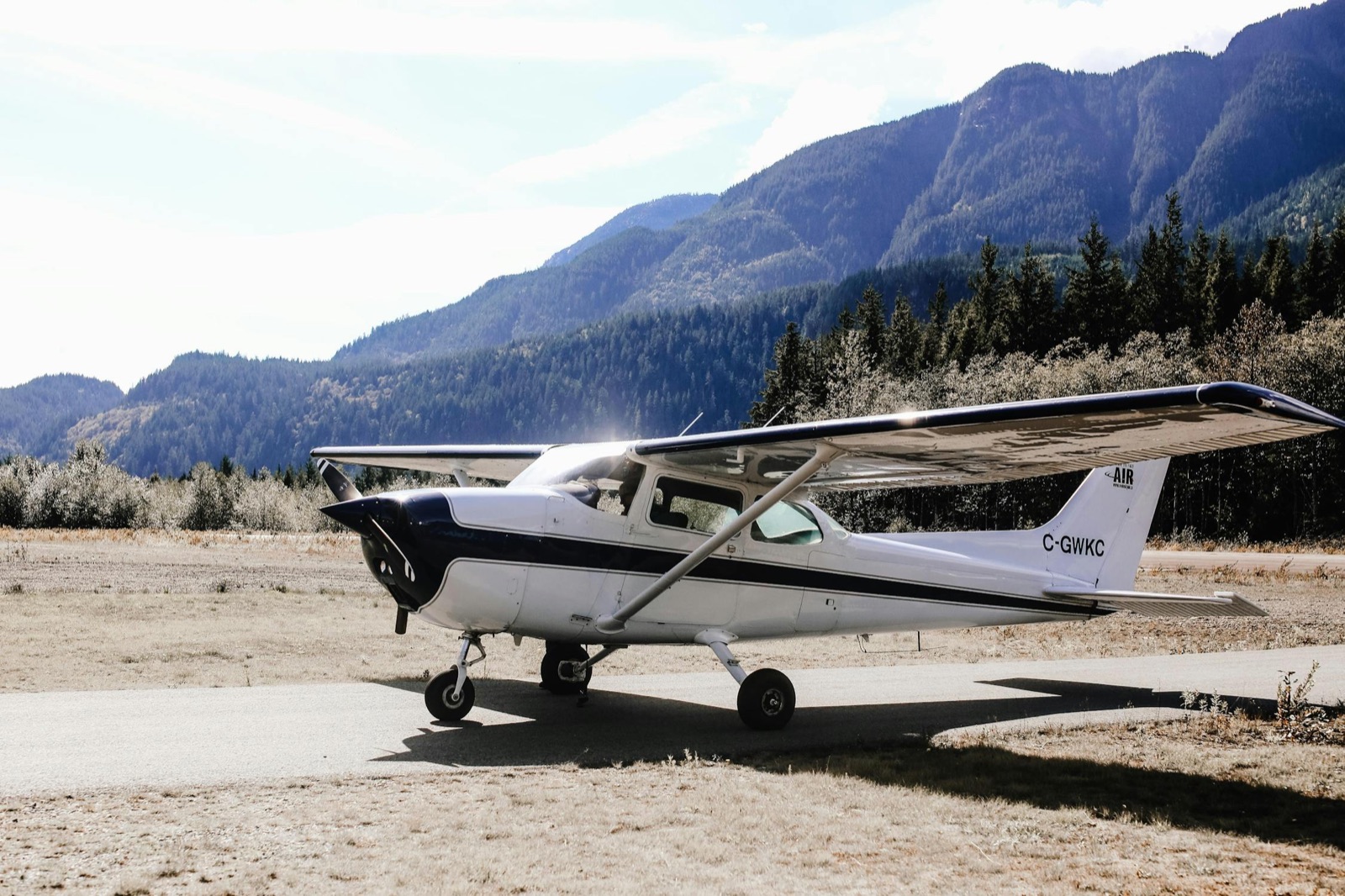
If you have ever looked at private flying in the UK and been put off by the cost, there is a model you probably have not considered: pilot cost sharing. It is legal, it is regulated, it has been running for nearly a decade in the UK and across Europe, and it works on small aircraft with a pilot already in the cockpit. You pay for your seat at cost, no commercial margin, and you fly in a Cessna or a Piper with a private pilot who is sharing the costs of a trip they were going to make anyway.
This is not a charter in the commercial sense. It is something genuinely different, and for the right trip it is the most affordable way to fly privately in the UK. This guide explains how it works in 2026, what the rules are, what it actually costs, and when it makes sense.
If you are still at the "what is small aircraft charter" stage, read our small aircraft charter cost guide and why fly private first. This article covers the specific cost-sharing model, which is different from chartering an aircraft.
What Cost Sharing Actually Is
A private pilot in the UK, flying under a Private Pilot Licence (PPL), is not allowed to fly people for profit. Commercial passenger flying requires an Air Operator's Certificate (AOC) and a commercial pilot licence, which means the full infrastructure of an airline or charter company. Most small aircraft flights in the UK are made by PPL holders who are flying for their own purposes and cannot accept payment.
Cost sharing is the narrow exception that lets a PPL holder take passengers on the same flight they were already going to make, and split the costs equally among everyone on board, including the pilot.
The rules are set by the UK Civil Aviation Authority and have been refined over several years. The current framework came into force on 1 October 2025 and is the basis for every cost-sharing flight in the UK in 2026.
The CAA Rules in 2026
The framework is strict, but once you know it, everything becomes clear.
Only direct costs can be shared. Direct costs are the costs of making the specific flight: fuel, airfield landing fees, the aircraft hire fee for the hours flown, and nothing else. You cannot share fixed costs (insurance, hangarage, training, maintenance reserves) or add anything for pilot time, profit, or handling. If a pilot tries to charge more than a genuine share of direct costs, the flight is commercial and illegal.
Equal contribution. The pilot must pay at least an equal share. If the aircraft costs 300 pounds to operate for a return flight and there are three passengers plus the pilot, the pilot must pay at least 75 pounds (one quarter of 300). Passengers each pay up to 75 pounds. The pilot cannot reduce their own share.
Maximum passenger count. Up to five passengers plus the pilot, total six people on board. This matches the capacity of most four-seat and six-seat aircraft (Cessna 172, Piper PA-28, Cessna 182, Cirrus SR22). It excludes larger aircraft operated commercially.
Passenger declaration. Since 1 October 2025, every passenger on a cost-sharing flight must sign a Passenger Declaration Form before the flight. The form explains that this is not a commercial flight, that safety standards are different from an airline, and that the passenger has accepted these terms voluntarily. This is a real safety measure, not a formality. Read it. Ask questions. Do not sign if you are not comfortable.
No guaranteed flight. A cost-sharing flight is a private pilot flying privately. If the weather is not good enough, the pilot will not fly. If the aircraft has a problem, the pilot will not fly. There is no substitute aircraft, no rebooking to a different service, no compensation for cancellation. This is the biggest practical difference from a commercial charter. You pay less because you accept more risk.
No profit. The pilot cannot make money from the flight. This is the hard line. If a pilot appears to be running multiple flights a week at fixed times, is advertising specific routes as if they are a service, or is consistently charging more than actual costs, they are operating commercially and the flights are illegal. Avoid any pilot who does not have the legal framework clearly in mind.
How Wingly Fits In
Wingly is the platform that connects pilots and passengers in the UK and across Europe. It does not operate flights. It does not employ pilots. It acts as the marketplace where pilots list the flights they want to make, and passengers book seats.
The model works like this:
- A pilot wants to fly from, say, Denham to Le Touquet for lunch on a Saturday. It costs them 400 pounds in aircraft hire, fuel and fees.
- They list the flight on Wingly with the route, the aircraft, the time, and the cost per seat (say 100 pounds, which is one quarter of 400).
- Passengers see the listing, read the pilot's profile (flight hours, ratings, reviews from previous passengers), and book a seat.
- Wingly takes a small booking fee on top (typically 10 to 15 per cent).
- On the day, pilot and passengers meet at the airfield. The pilot briefs the passengers, issues and collects the passenger declaration, and they fly.
Wingly is a signatory to the CAA's Cost Sharing Charter, which means it has committed to enforcing the rules above on its platform. Pilots' flight hours and ratings are verified before they can list. Passenger reviews are public. Flights that look commercial get removed.
The platform is not the only option. Pilots and passengers can arrange cost-sharing flights directly, through flying clubs, or via other smaller platforms. Wingly is the largest and the most active in the UK.
What It Actually Costs
Here is what you can expect to pay for a cost-sharing seat on a typical UK flight in 2026.
| Flight type | Typical seat cost | Notes |
|---|---|---|
| 30-min local sightseeing | 45-75 GBP | Most common booking on Wingly |
| 1-hour scenic (South Downs, coast) | 80-140 GBP | Popular weekend pattern |
| Cross-Channel day trip (Le Touquet) | 140-220 GBP | 3-4 hours total including lunch stop |
| Fly-in lunch UK (Bembridge, Compton Abbas) | 90-160 GBP | See our fly-in lunch guide |
| London to Channel Islands day | 200-350 GBP | Longer flight, higher fuel share |
| City pair within England | 120-200 GBP | Variable by distance |
For comparison, the same flight as a chartered light aircraft (Cessna 172 with a commercial pilot through an operator) would cost 200 to 800 pounds per hour for the whole aircraft regardless of how many passengers were on board. Cost sharing is the cheapest way to get into the cockpit of a small aircraft in the UK.
The catch: you are one of three or four passengers, not the only passenger. The pilot is flying their route, not yours. If you want to choose the destination and the time, you need to charter, not share.
How to Actually Book
The process is straightforward once you know what to look for.
Step 1: Register on Wingly. Create a passenger account. You do not need a pilot's licence or any aviation background. You do need to be old enough (17+ typically, some flights 18+), physically able to get in and out of a small aircraft, and reasonably relaxed about small-plane turbulence.
Step 2: Search by location. Filter by your nearest airfield. The busiest UK cost-sharing airfields are Denham (Bucks), Elstree (Herts), Biggin Hill (Kent), Fairoaks (Surrey), White Waltham (Berks), Turweston, Redhill, Shoreham, Cambridge, Gloucester, and Perth. Smaller airfields also have occasional flights. For a given date range, you will typically see 10 to 30 flights available within an hour's drive of London.
Step 3: Read the pilot profile. Every pilot has a profile showing total flight hours, licence type, currency (how recently they have flown), ratings, passenger reviews, and aircraft type. The minimum you should look for:
- 100+ hours total flight time as pilot in command
- Currency: last flight within 30 days is ideal, within 90 days acceptable
- Multiple passenger reviews, preferably 4.5 stars or higher
- Sensible description of the route, realistic timings, honest weather cancellation policy
Be sceptical of pilots with 50 hours total, no passenger reviews, and vague plans. Every pilot had a first passenger flight, but you do not need to be it.
Step 4: Book. Select your seat, pay the seat cost plus Wingly's booking fee, get booking confirmation. The pilot will usually message you within a day or two to confirm the plan, explain what to bring, and give you the airfield location and arrival time.
Step 5: Watch the weather. The night before the flight, the pilot will make a go/no-go decision based on weather. Small aircraft flying in the UK is heavily weather-dependent. Low cloud, fog, crosswind at destination, or a front moving in will all cancel a VFR (Visual Flight Rules) flight. If the flight is cancelled you are fully refunded. Never book a flight that is your only plan for a critical event. Build in flexibility.
Step 6: Arrive at the airfield. Turn up 30 minutes before the flight. The pilot will meet you, show you the aircraft, explain the briefing, ask you to sign the passenger declaration, ask you to empty pockets and remove anything loose, show you how to put on the headset and fasten the harness, and walk you through the safety brief. A good pilot makes this feel like a friend taking you flying, not like boarding an airliner. Which it is.
Step 7: Fly. Small aircraft fly lower and slower than airliners. You see everything. Buildings, fields, coastlines, cars on the motorway, boats on the water. You will feel the air movement more than in an airliner. If you are prone to motion sickness, take something before you fly. If you are not, you will be fine.
Step 8: Review. After the flight, leave a review on the pilot's Wingly profile. This keeps the system honest and helps future passengers.
What Cost Sharing Is Not
It is not a taxi service. The pilot chooses the route, the time, and the destination. You are a passenger on their flight, not a customer buying a service. If you want to specify where and when you fly, you need to charter.
It is not a training flight. You do not get any instruction, you do not touch the controls (except sometimes at cruise on the pilot's invitation), and the pilot is not teaching you. If you want to fly a plane, take a trial lesson from a flying school.
It is not commercial flying. You cannot complain to anyone if the flight cancels, if the aircraft is an older model, if the pilot is a nervous newly-qualified pilot, or if the weather turns halfway through and the pilot has to divert. You accepted these things when you booked.
It is not a replacement for the airlines. A cost-sharing flight from London to Edinburgh will take four to five hours in a Cessna 172, cost 200 to 300 pounds per person, and depend on weather at both ends. A British Airways flight takes 75 minutes, costs 70 pounds, and runs reliably. Cost sharing wins on experience and on specific routes where the commercial alternative is a long drive or a train.
When Cost Sharing Makes Sense
A cheap taste of private flying. First-timers who want to see what small aircraft flying is like. Budget 80 to 150 pounds for a one-hour scenic over the South Downs or the Thames Valley. You will see the UK from 2,000 feet, wear a headset, and land at a small airfield.
Scenic flights over iconic places. The White Cliffs, the Isle of Wight, central London (with ATC clearance), the Cotswolds, the South Coast. Our best scenic flights near London guide lists specific routes.
Fly-in lunches. Many UK pilots fly out for lunch at a restaurant airfield. For 100 to 150 pounds, you are effectively buying two scenic flights and a meal.
Channel crossings for the experience. Le Touquet for lunch or breakfast is a classic Wingly booking. Three to four hours round trip, lunch at a proper French restaurant, back in time for dinner. Our Channel Islands by small aircraft guide covers a similar trip in more detail.
Proposal flights and special occasions. Some pilots specialise in sunset flights, anniversary flights, and photographic flights. These are bookable on Wingly for specific dates.
When Cost Sharing Does Not Make Sense
Time-critical travel. If you need to be somewhere by a specific time, do not rely on a cost-sharing flight. Weather, mechanical issues, pilot availability and other variables mean there is a genuine cancellation risk. Use a commercial charter (our small aircraft charter cost guide covers this) or a commercial flight.
Specific destinations. If you want to go to a precise airfield at a precise time, cost sharing may not have anyone flying there on your date. Charter is the right answer.
Larger groups. Cost sharing is capped at five passengers. For groups of six or more, you need a larger aircraft and a commercial operator.
High-reliability needs. Business travel, weddings, funerals, connections to commercial flights: do not rely on cost sharing.
Safety: The Honest Picture
Small aircraft flying in the UK is safer than it has been at any point in history and much safer than the public perception suggests. Most cost-sharing pilots are experienced private pilots who fly because they love it, maintain their aircraft carefully, and care about their passengers. The Wingly review system works.
That said, private flying carries more risk than commercial airline flying. The numbers are small but real. A private pilot with 500 hours flying a 30-year-old Cessna in UK weather is not the same as a commercial pilot in an Airbus on a scheduled service.
To keep your risk low:
- Book with pilots who have 150+ hours, recent currency, good reviews
- Never pressure a pilot to fly in weather they are uncertain about
- Do not fly if you have any serious concerns about the pilot, the aircraft, or the plan
- Wear the harness properly, listen to the brief, keep your hands off the controls
Cost-sharing pilots are not airline pilots. They are enthusiasts who are sharing something they love with you. Treat them like the friend who is taking you flying, not the service you are paying for. The experience is better that way.
How Sulu Helps
Cost sharing is genuinely the cheapest way to get into a small aircraft in the UK, and for most of our clients who want a proper private flying experience on a budget, it is the right answer. We help you identify the best pilots for your specific interest (scenic, cross-channel, fly-in lunch, proposal flight), book the seat, and handle any questions before the flight.
If cost sharing is not the right fit (because you need specific timings, a larger group, or more reliability), we will tell you that and recommend a charter instead. Our job is to help you fly, not to sell you something.
Message us on WhatsApp or Telegram with what you are trying to do and we will work out whether cost sharing or a charter is the cleanest way to make it happen.