Not Private Jets. Something Better.
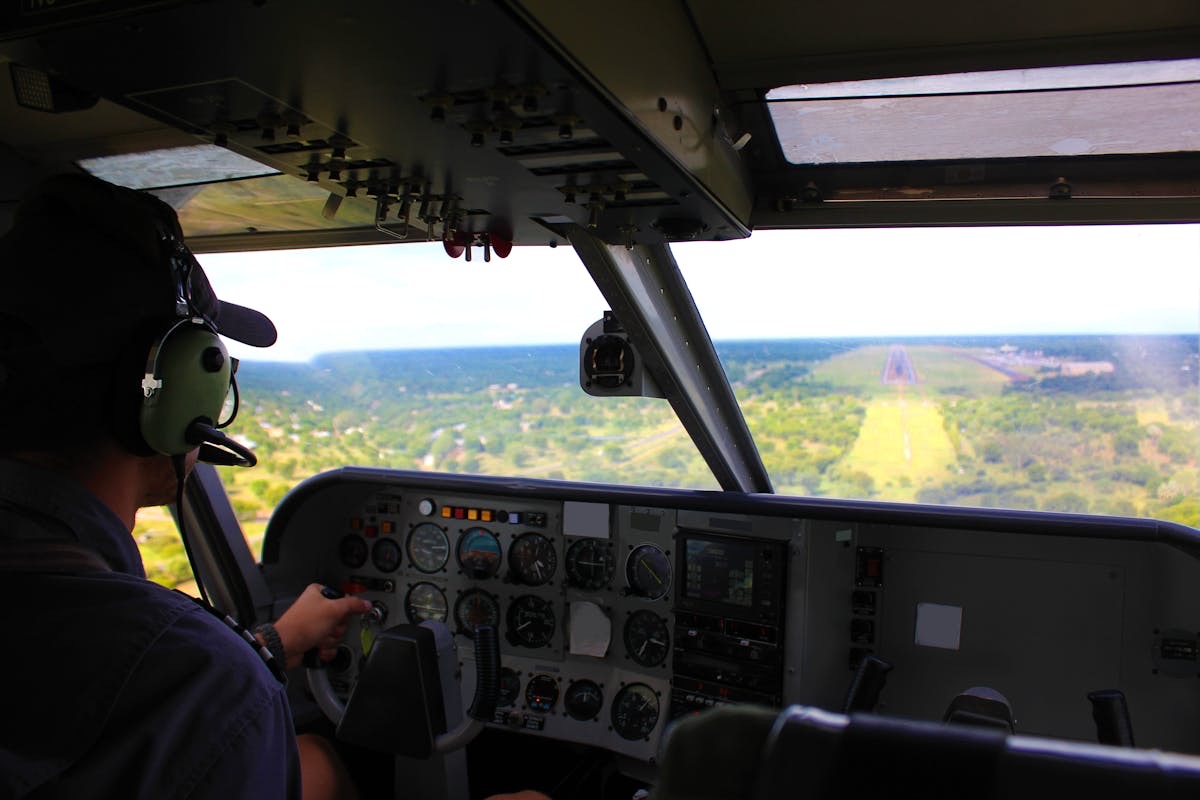
When people hear "private aviation," they picture a Gulfstream, a bottle of champagne, and a six-figure price tag. That is one end of the market. The other end, the one most people do not know about, is small aircraft charter. Cessnas, turboprops, and light jets that carry 2 to 8 passengers for a fraction of the cost.
Small aircraft charter is not about luxury. It is about access. Flying to an airstrip that has no commercial service. Skipping the 4-hour drive from the nearest major airport. Getting six people to a remote island, a countryside wedding, or a yacht charter base without the misery of connections and layovers.
This is the part of private aviation that actually makes practical and financial sense for most people.
What Counts as Small Aircraft
Single-engine piston (Cessna 172, Piper Cherokee): 2 to 3 passengers, range of 400 to 600 nautical miles. Slow (120 to 140 knots) but cheap. Think of it as a flying taxi.
Twin-engine piston (Cessna 310, Piper Seneca): 4 to 5 passengers, similar range but faster and can fly in more weather conditions. The standard choice for short business trips.
Single-engine turboprop (Pilatus PC-12, TBM 960): 6 to 8 passengers, range of 1,000 to 1,500 nautical miles. Cruises at 250 to 300 knots. Pressurised cabin, so they fly higher and smoother. This is the sweet spot for groups: genuinely comfortable, surprisingly affordable per person, and capable of reaching most European destinations.
Light twin-engine turboprop (King Air 250, Beechcraft 1900): 6 to 9 passengers, range up to 1,500 nautical miles. Workhorse aircraft used by charter operators across Europe. Reliable, versatile, and well-suited for short to medium routes.
Very light jets (Cessna Citation Mustang, Phenom 100): 4 to 6 passengers, jet speed (380 to 400 knots), range of 1,000 to 1,200 nautical miles. The entry point into jet travel. Faster than turboprops but more expensive per hour.
What It Actually Costs
Pricing in small aircraft charter is based on flight hours, not per seat. This means the more people sharing the aircraft, the lower the per-person cost.
Single-engine piston (Cessna 172, Piper): £400 to £700 per flight hour. A 1-hour flight for 2 people costs £200 to £350 per person.
Twin-engine piston (Cessna 310, Seneca): £600 to £1,000 per flight hour. A 1-hour flight for 4 people costs £150 to £250 per person.
Single-engine turboprop (PC-12, TBM): Turboprops start from roughly £850 per flight hour. A Pilatus PC-12 charter typically runs £1,500 to £2,200 per flight hour. A 2-hour flight for 6 people costs £500 to £730 per person. That is comparable to a flexible business class fare on the same route.
Light turboprop (King Air): £1,500 to £2,500 per flight hour. A 2-hour flight for 6 people costs £500 to £830 per person.
Very light jet (Citation Mustang, Phenom 100): Around £2,200 per flight hour. A 2-hour flight for 4 people costs roughly £1,100 per person. For context, a five-seat Citation CJ1 from London Farnborough to Manchester costs approximately £6,500.
Positioning costs: If the aircraft needs to fly empty to reach you (repositioning), you typically pay for that leg too. This can double the cost for short flights. Operators based near your departure point eliminate this. Always ask.
When It Beats Commercial
Small aircraft charter makes financial sense in specific situations:
No direct commercial flights. London to the Channel Islands, Scottish Highlands, rural France, Greek islands without major airports. The commercial alternative is two flights with a connection and half a day of travel. A turboprop does it in one hop.
Groups of 4 to 8 people. The per-person cost drops with every additional passenger. Six people flying a turboprop from London to Nice pay roughly the same per person as six flexible economy tickets, but save 3 to 4 hours of airport time and arrive directly.
Small airfields. Commercial airlines use major airports. Small aircraft can use grass strips, regional airfields, and airstrips that are 10 minutes from your destination instead of 2 hours. Flying into Goodwood instead of Gatwick, or Le Touquet instead of Charles de Gaulle, changes the entire travel experience. Some of these airfields have excellent restaurants worth the trip alone.
Time-sensitive travel. Need to get somewhere today, and all commercial flights are sold out or involve a 6-hour routing? A charter can be arranged in hours.
Connections to yacht charters. Flying a group directly to a small airfield near the marina (Kalamata for the Peloponnese, Figari for Corsica, Brač for Croatia) saves the transfer time and cost of routing through a major hub.
Empty Legs: The Discount Opportunity
An empty leg is a repositioning flight that an aircraft must make anyway. If a charter drops passengers in Nice and needs to return to London, that return flight is available at 30 to 60 percent off the normal price.
The catch: empty legs are unpredictable. They are available on specific dates and routes, often with short notice. If your dates and route match, it is a bargain. If not, you wait.
Some operators publish empty leg availability on their websites. Others will notify you if you tell them your preferred routes. It is not a reliable way to plan a trip, but it is worth checking before booking a full charter.
How to Book
Directly with operators: Smaller companies that own and operate their own aircraft. Usually cheaper than brokers because there is no middleman. The trade-off is limited fleet size and route coverage.
Through brokers: Companies that search across multiple operators to find the right aircraft for your route. They charge a margin (10 to 20 percent) but save you the time of contacting individual operators. Useful for unusual routes or last-minute bookings.
Charter marketplaces: Online platforms that let you compare quotes from multiple operators. Transparency varies. Some show real-time availability and pricing, others just collect your details and pass them to operators.
What to check before booking:
- Is the operator CAA or EASA certified? (This is non-negotiable for safety.)
- What aircraft will be used? (Make sure you know the exact type, not just "turboprop.")
- Are positioning costs included in the quote?
- What is the cancellation policy?
- Landing fees at both airports (these are often extra, £50 to £300 per landing depending on the airport)
Some Ideas
Small aircraft charter works particularly well for:
Weekend trips. London to Deauville, Jersey, Edinburgh, or the Lake District. Fly Friday evening, return Sunday afternoon. The travel time each way is under an hour instead of half a day.
Wedding travel. Getting a group of 6 to 8 people to a countryside wedding venue. Charter a turboprop, land at the nearest airfield, and avoid the rental car convoy.
Yacht charter transfers. Fly directly to the marina town instead of routing through a major airport. London to Split on a light jet takes 2.5 hours. The group arrives together, rested, and ready to board.
Proposals and special occasions. A sunset flight along the coast, landing at a restaurant airstrip for dinner. This is genuinely romantic, and the cost for a 1-hour Cessna flight is comparable to a fancy dinner for two.
Business day trips. Fly to a meeting in a European city, attend for 3 hours, fly back the same day. No hotel, no overnight bag, no wasted evening.
We Arrange This
Small aircraft charter is one of the services we get asked about most. We work with operators across the UK and Europe and can quote routes within 24 hours. Tell us where you need to go, how many passengers, and when.
Message us on WhatsApp or Telegram to get a quote.